Lee
and Karen Duquette,
The Two RV Gypsies: Full-Time RVers
at Jekyll Island Campground - and they saw some wildlife
The Two RV Gypsies: Full-Time RVers
at Jekyll Island Campground - and they saw some wildlife
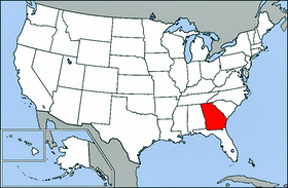
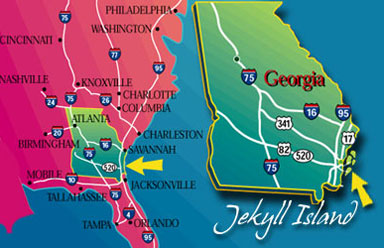
Lee
and Karen Duquette, The Two RV Gypsies: Full-Time RVers at Jekyll Island Campground - and they saw some wildlife |
|
|
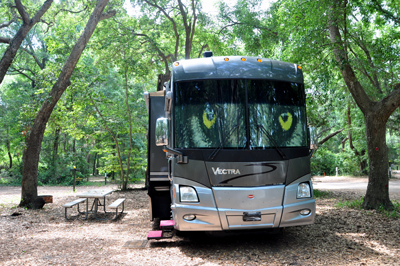
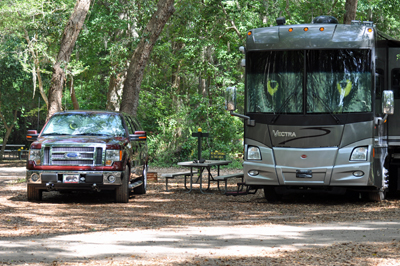
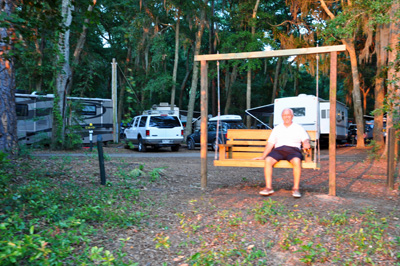
Below: The new yard of Lee and Karen
Duquette, the two RV Gypsies - May 21, 2010 |
|
 |
 |
Below: Lee Duquette relaxing |
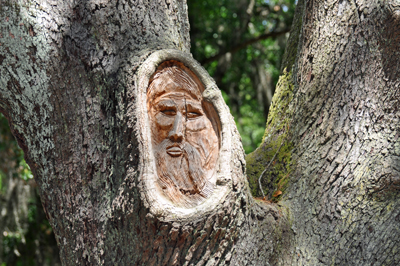
Below: A face carved in a tree in the
campground |
 |
 |
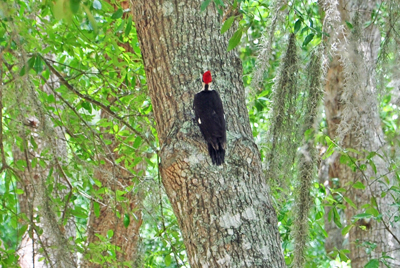
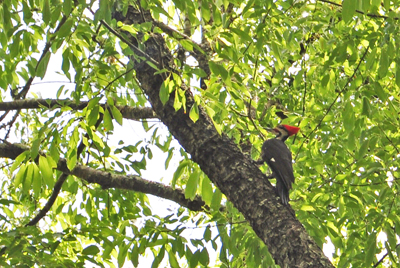
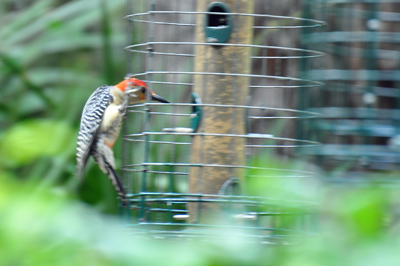
| May 25, 2010 - While working on her computer, Karen Duquette glanced out the window of her RV and saw a red-headed woodpecker, so she grabbed her camera and ran out the door to take photos. She was very lucky to get these two photos because birds do not stay still for long, they just fly away. | |
 |
 |
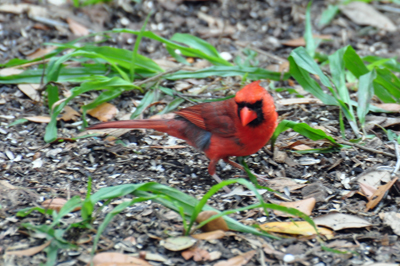
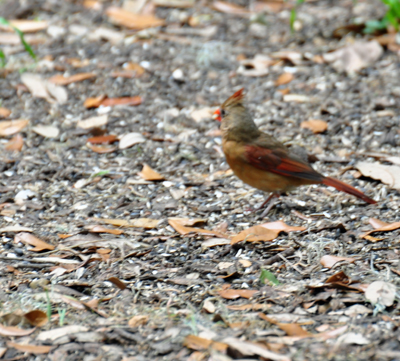
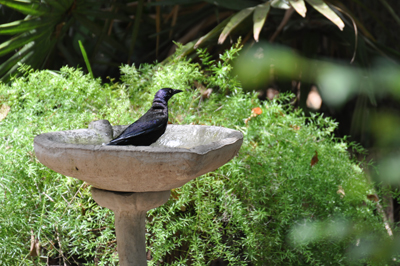
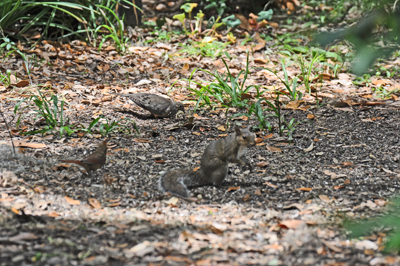
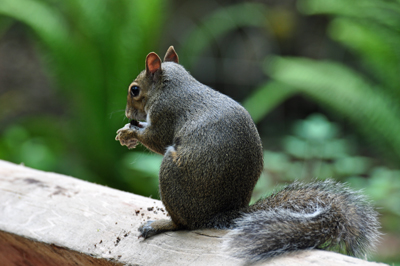
Below: Then Karen Duquette
decided to walk around and photograph more birds. |
|
 |
 |
 |
 |
 |
 |
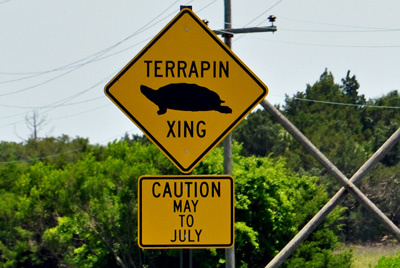
| The Diamondback terrapin (Malaclemys terrapin) or simply terrapin, is a species of turtle native to the brackish coastal swamps of the eastern and southern United States, from as far north as Cape Cod, Massachusetts and as far south as Cape Sable, Florida. The name "terrapin" is derived from the Algonquian word torope. The name originally was used by early European settlers in North America to describe these brackish-water turtles that inhabited neither freshwater habitats nor the sea. It retains this exclusive use in American English. In British English, however, other semi-aquatic turtle species, such as the red-eared slider, might be called a terrapin. |
|
 |
|
| The species is named for the diamond pattern on top of its shell, but the overall pattern and coloration varies greatly by species. Their shell coloring can vary from browns to greys, and their body color can be grey, brown, yellow, or white. All have a unique pattern of wiggly, black markings or spots on their body and head. No Terrapins were seen during this visit. | |
Menu for the Sea Islands and surrounding areas (May 2010) You may visit these ten (10) sites in any order you choose. The page you are on is grayed out, and therefore can not be chosen from here. Plus there are even more options further below so scroll all the way down. |
|
Savannah, GA -several pages |
|
|
wildlife - birds and squirrels (this page) |
|
 |
|
|
OR After you have seen all of the above,Continue Navigation in any year, any place, in the order
of your choice |
|||||

|
|||||
 |
 |
 |
 |
 |
 |
 |
 |
 |
 |
 |
 |
 |
 |
 |
 |
 |
 |
 |
 |
 |
 |
 |
 |
 After
you have visited all ten (10) sections above, please continue on to
the next adventure of the two RV Gypsies -
After
you have visited all ten (10) sections above, please continue on to
the next adventure of the two RV Gypsies -