| Lee
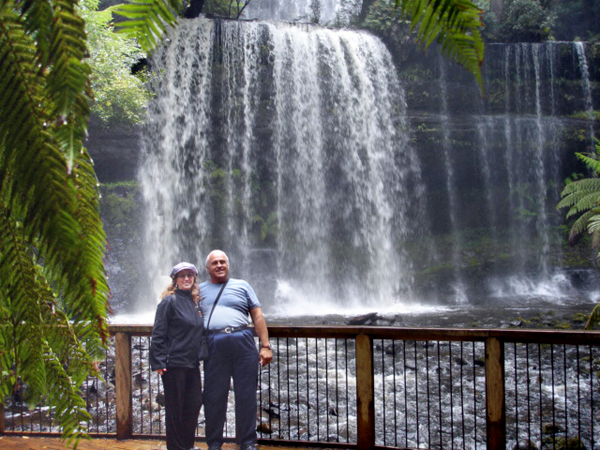
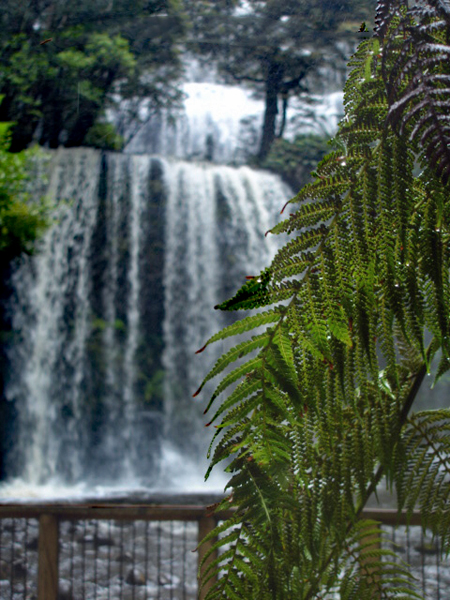
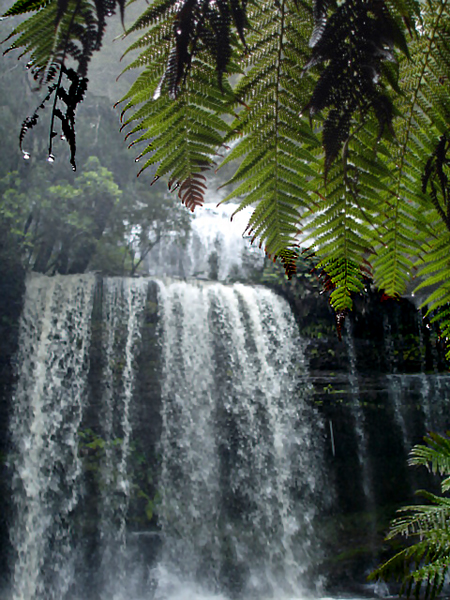
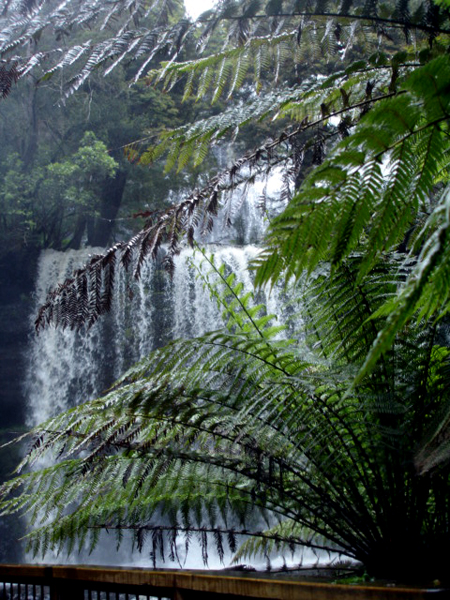
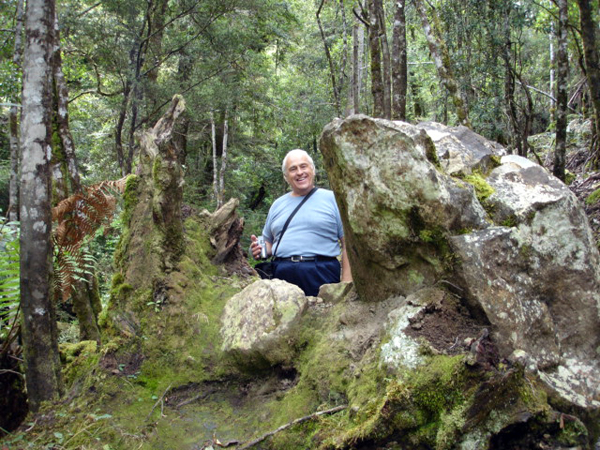
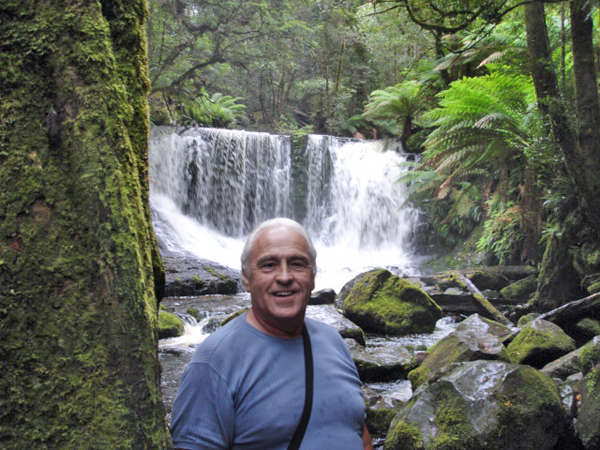
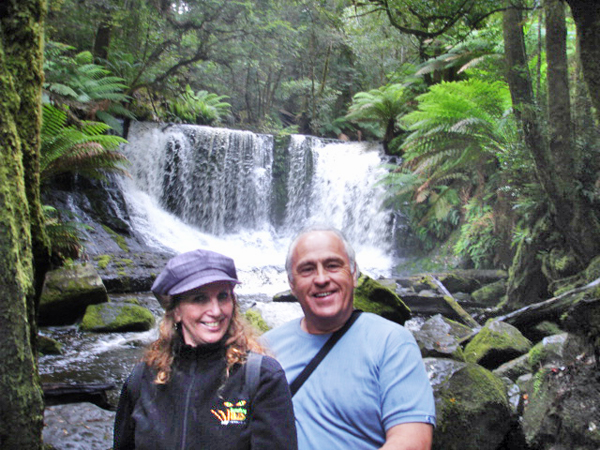
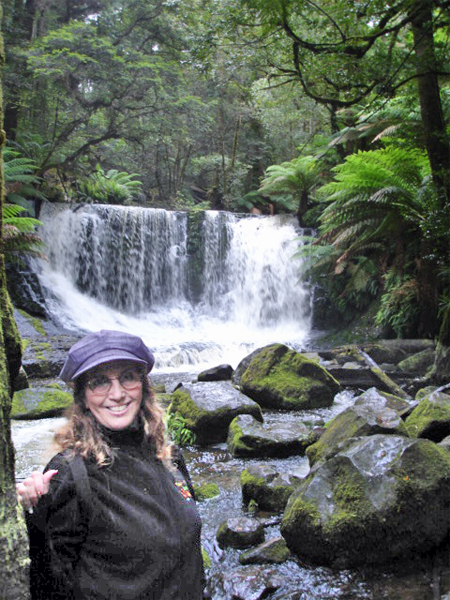
and Karen Duquette enjoyed seeing the platypus and the waterfall December 25, 2005 |
|
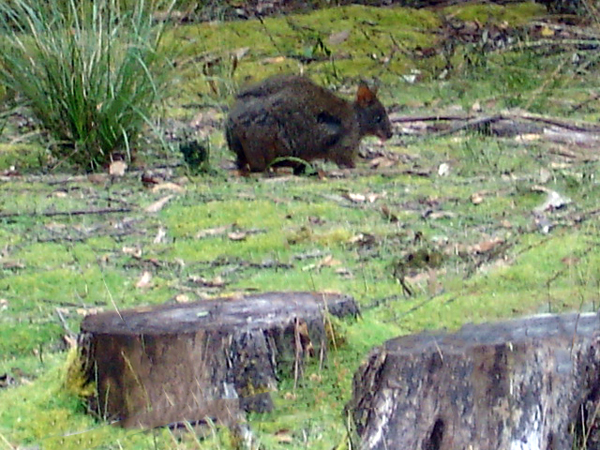
Below: Karen Duquette
was not sure what type of wildlife the animal shown below was. |
|
 |
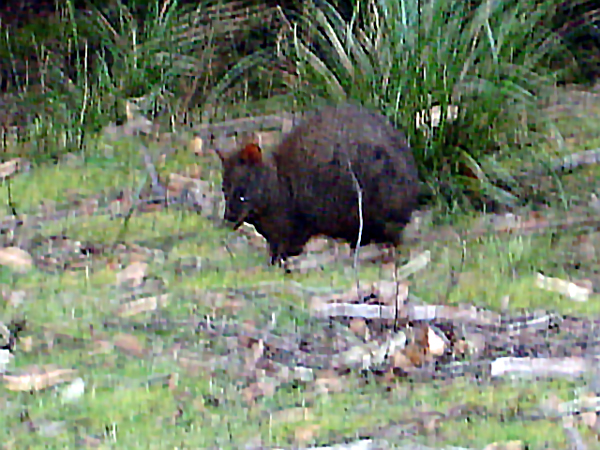 |
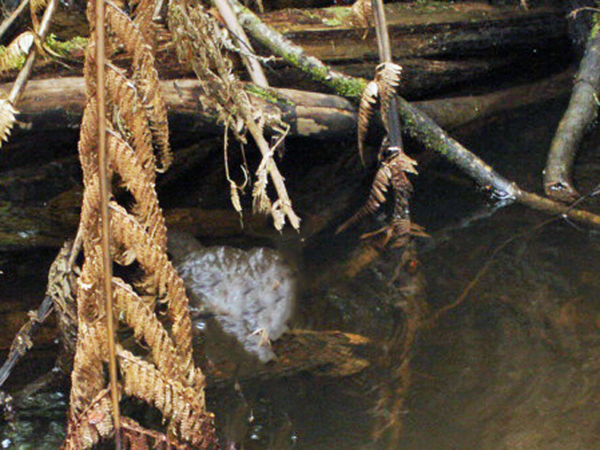
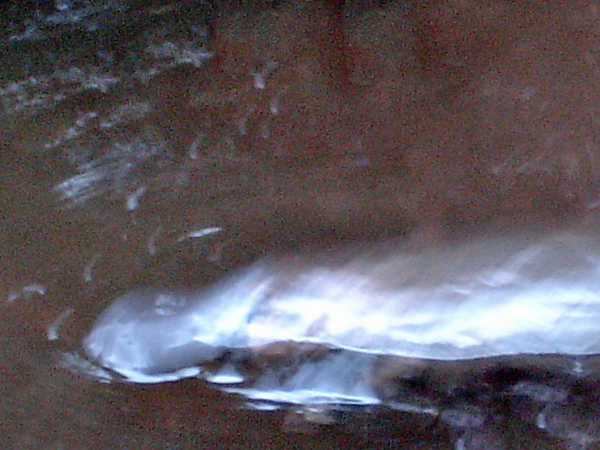
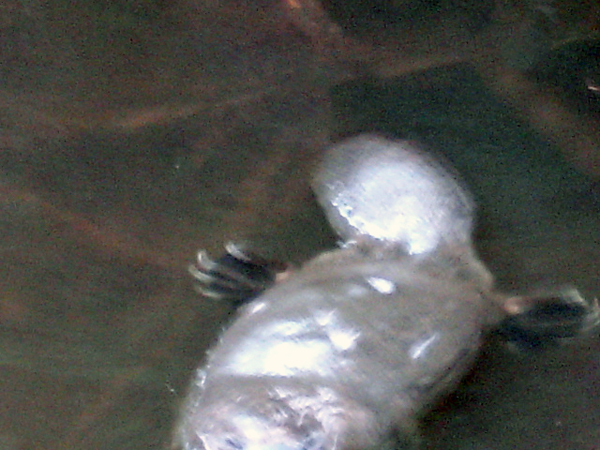
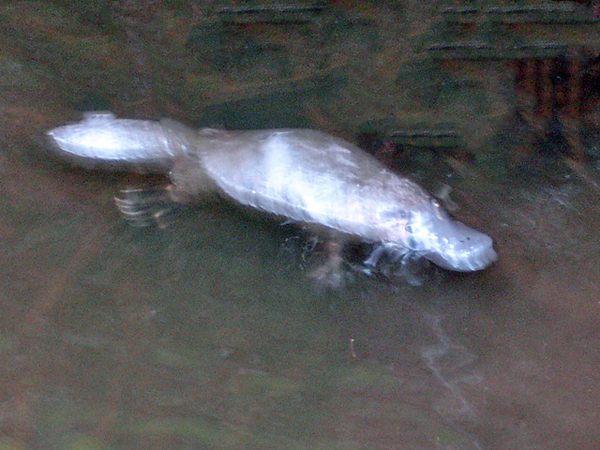
Below: A Platypus . The guide said that most people do not get to see the platypus. The photos that Karen Duquette was able to take are a bit blurry, but she was thrilled to get the photos anyway. |
|
 |
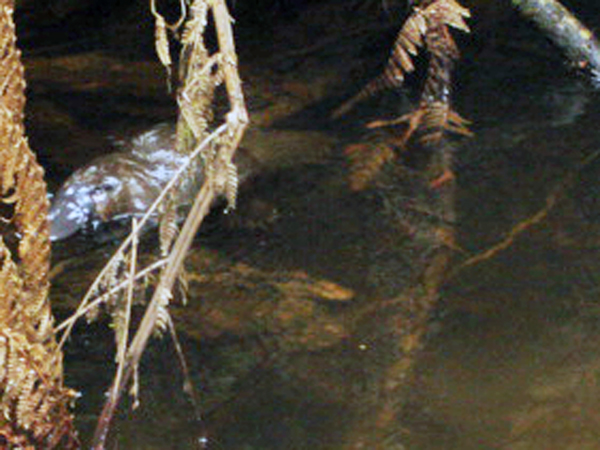 |
The platypus is sometimes referred to as the duck-billed platypus. It is an egg-laying mammal. The platypus is the sole living representative of its family Ornithorhynchidae and genus Ornithorhynchus, though a number of related species appear in the fossil record. Together with the four species of echidna, it is one of the five extant species of monotremes, mammals that lay eggs instead of giving birth to live young. Like other monotremes, the platypus has a sense of electrolocation, which it uses to detect prey in water while its eyes, ears and nostrils are closed. It is one of the few species of venomous mammals, as the male platypus has a spur on each hind foot that delivers an extremely painful venom.The unusual appearance of this egg-laying, duck-billed, beaver-tailed mammal at first baffled European naturalists. In 1799, the first scientists to examine a preserved platypus body judged it to be a fake made of several animals sewn together. The unique features of the platypus make it important in the study of evolutionary biology, and a recognizable and iconic symbol of Australia. It is culturally significant to several Aboriginal peoples, who also used to hunt it for food, and has appeared on stamps and currency.The platypus was hunted for its fur, but it has been a legally protected species in all states where it occurs since 1912. Captive breeding programs have had slight success, and it is vulnerable to pollution, by catching and climate change. It is classified as a near-threatened species by the IUCN, but a November 2020 report has recommended that it be upgraded to threatened species under the federal EPBC Act, due to habitat destruction and declining numbers in all states. |
|
 |
 |
 |
|
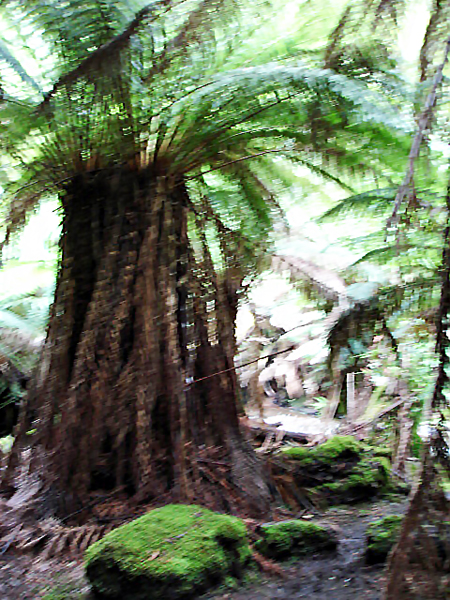
Below: A tree |
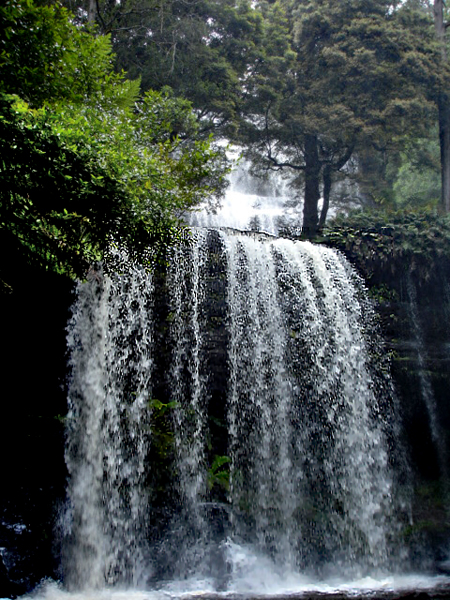
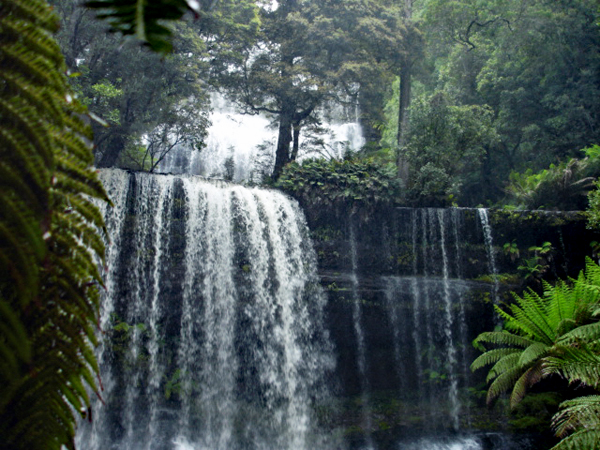
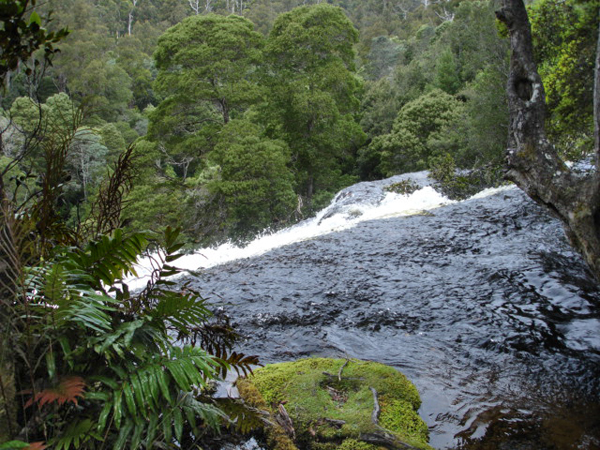
Below: The Waterfall |
 |
 |
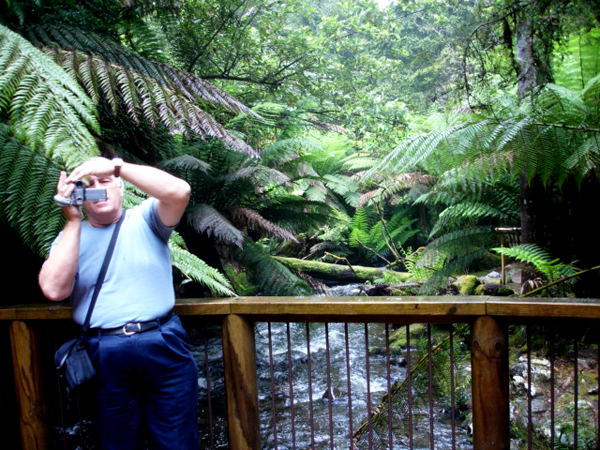
Below: Lee Duquette photographing The Waterfall from the bridge |
|
 |
|
 |
 |
 |
 |
 |
|
 |
 |
 |
 |
 |
 |
 |
 |
 |
|
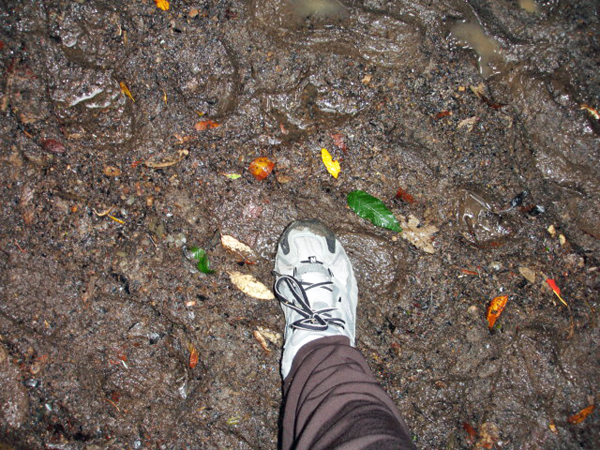
Below: Karen Duquette walking in the mud |
|
 |
|
|
|
 Continue on in alphabetical order of travel to
OR: -- Continue navigation of this large website via the buttons below. |
|||||

|
|||||
 |
 |
 |
 |
 |
 |
 |
 |
 |
 |
 |
 |
 |
 |
 |
 |
 |
 |
 |
 |
 |
 |
 |
 |
OR - - Click here for maps and descriptions of travel BY YEAR (not the best way) |
|||||