Featherdale
Sydney Wildlife Park - Page 2 of 2
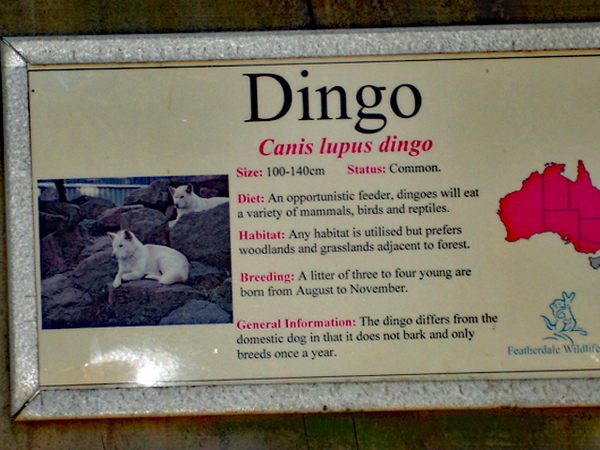
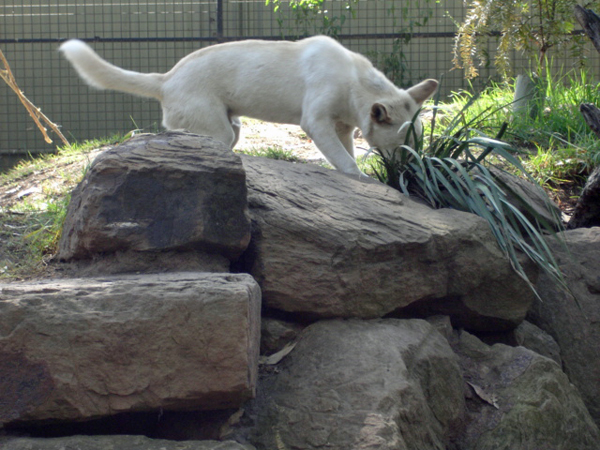
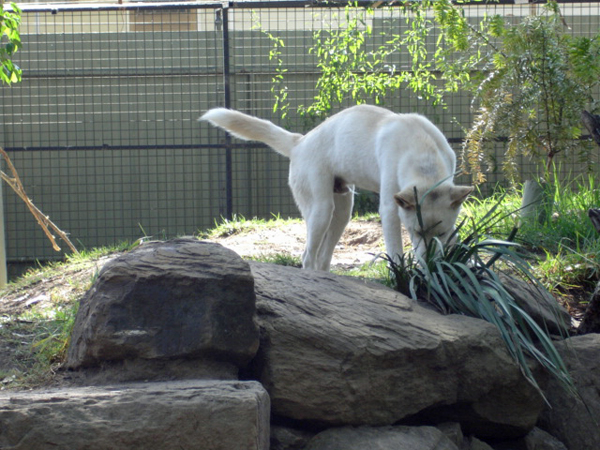
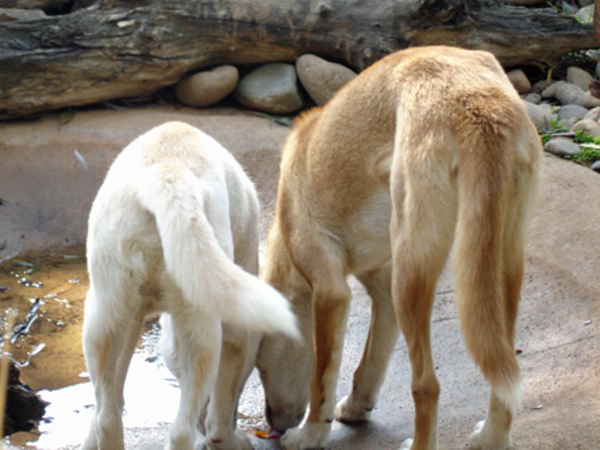
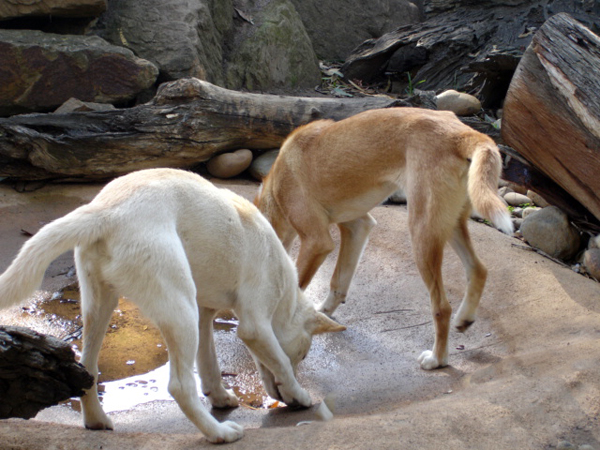
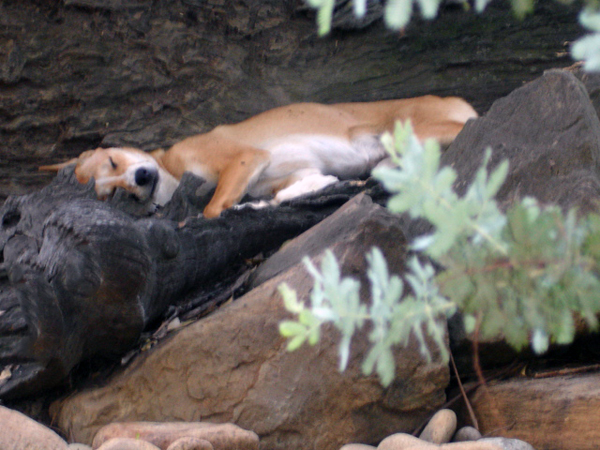
The dingo is a medium-sized canine that possesses a lean, hardy body adapted for speed, agility, and stamina. The dingo's three main coat colorations are light ginger or tan, black and tan, or creamy white. The skull is wedge-shaped and appears large in proportion to the body. The dingo is closely related to the New Guinea singing dog: their lineage split early from the lineage that led to today's domestic dogs, and can be traced back through Maritime Southeast Asia to Asia. The oldest remains of dingoes discovered in Australia are around 3,500 years old.
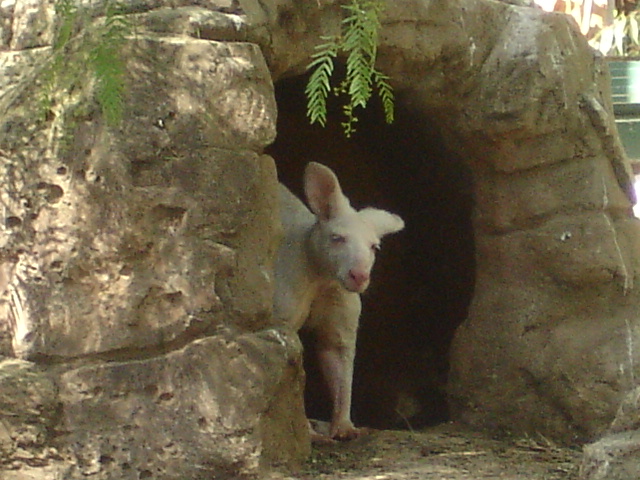
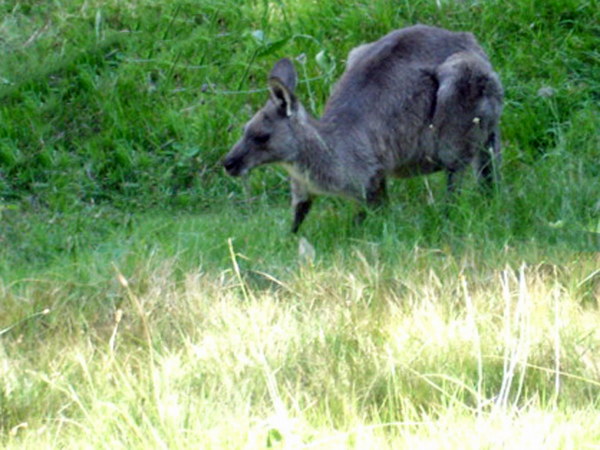
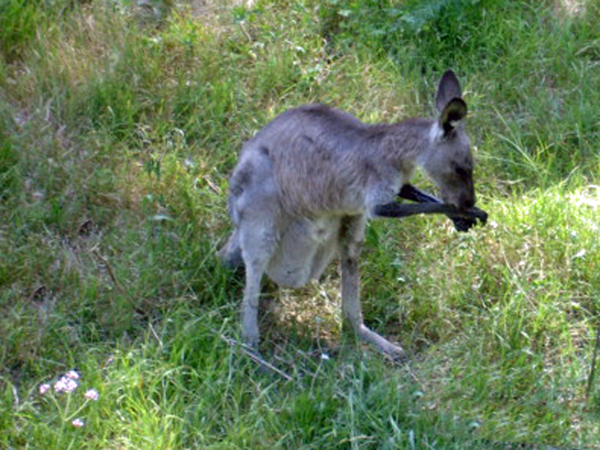
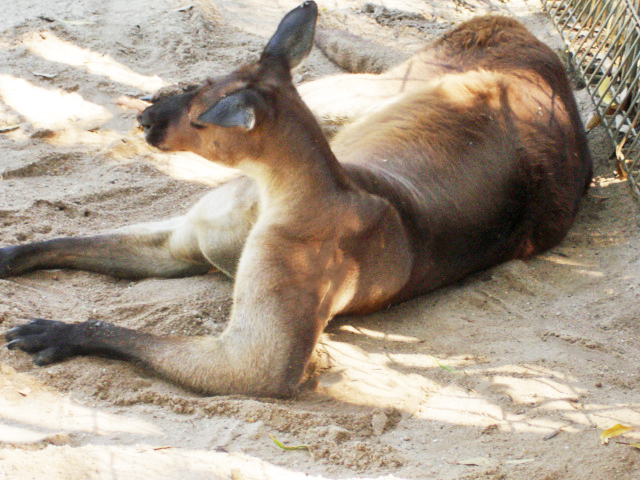
Below: Wallaby and Kangaroos
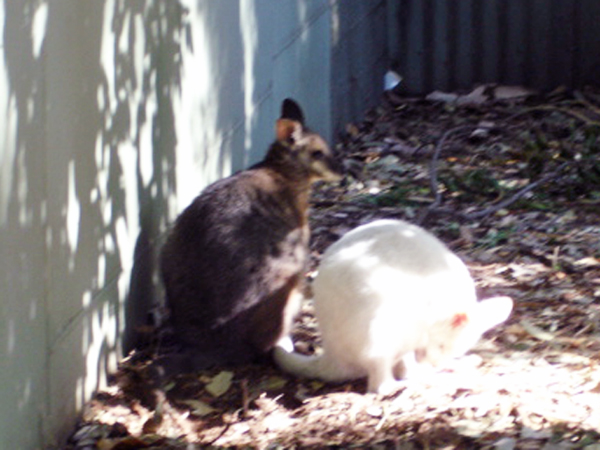
A wallaby is a small or middle-sized macropod native to Australia with introduced populations in New Zealand. They belong to the same taxonomic family as kangaroos and sometimes the same genus, but the common name "kangaroo" specifically refers to the four largest species of the family. The term "wallaby" is an informal designation generally used for any macropod that is smaller than a kangaroo or a wallaroo that has not been designated otherwise.
Below: Koalas
Learn the Differences
A newborn Koala is about the size of a jellybean. It is "born" about 35 days after conception. Its eyes are closed. It has no fur. Its hind limbs are mere buds. It is, however, equipped for its first journey. The forelimbs are well developed, complete with claws! This is for the grueling journey through the mother's dense fur to the pouch. Once inside, it latches onto one of the two nipples where it will suckle uninterrupted till developed.
Below: Two types of Koalas
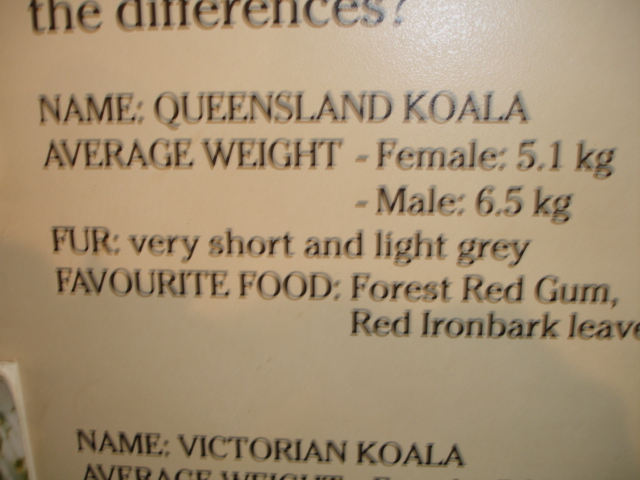

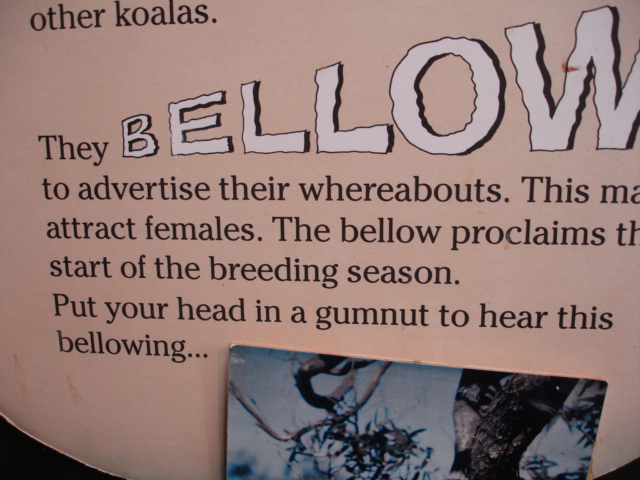
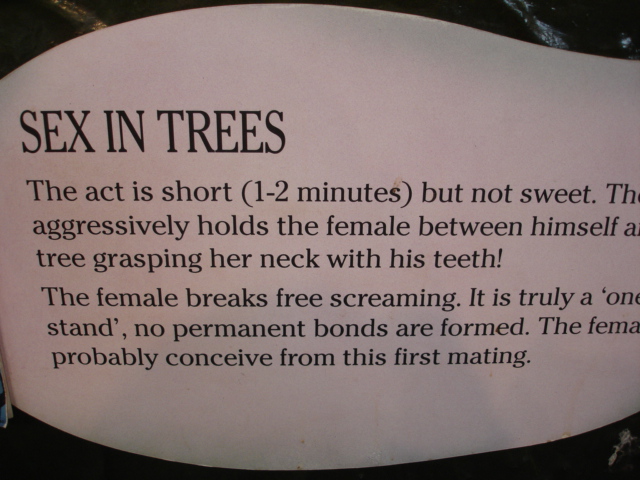
The koala, sometimes inaccurately called the koala bear, is an arboreal herbivorous marsupial native to Australia. Its closest living relatives are the wombats. It is easily recognizable by its stout, tailless body and large head with round, fluffy ears and large, dark nose. The koala has a body length of 60 – 85 cm (24–33 inches) and weighs 4 –15 kg (8.8–33.1 pounds). Its fur color ranges from silver grey to chocolate brown. Koalas from the northern populations are typically smaller and lighter in color than their counterparts further south.
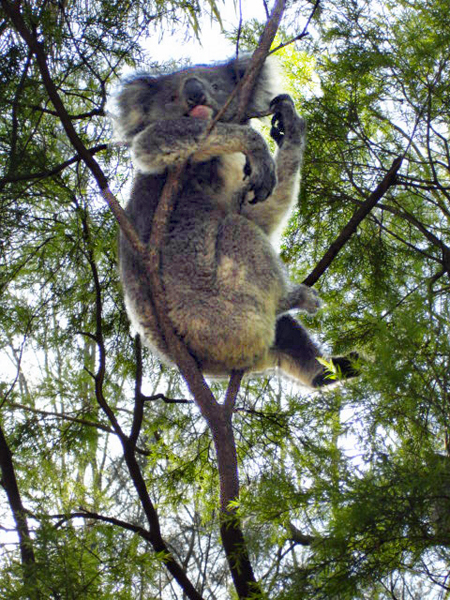
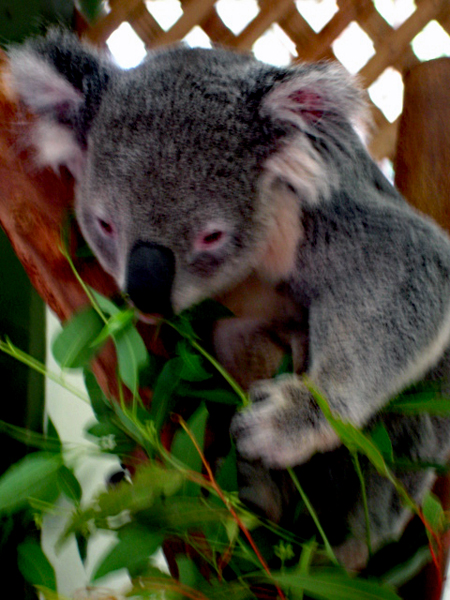
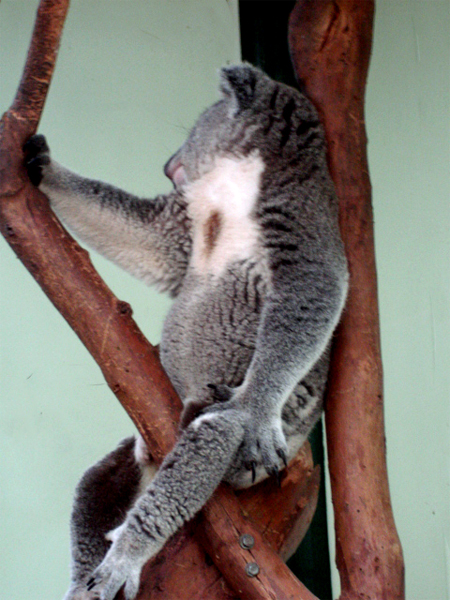
Below: Karen Duquette and a koala



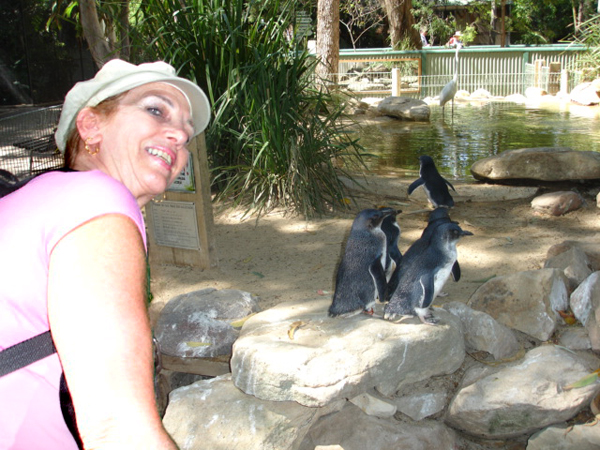
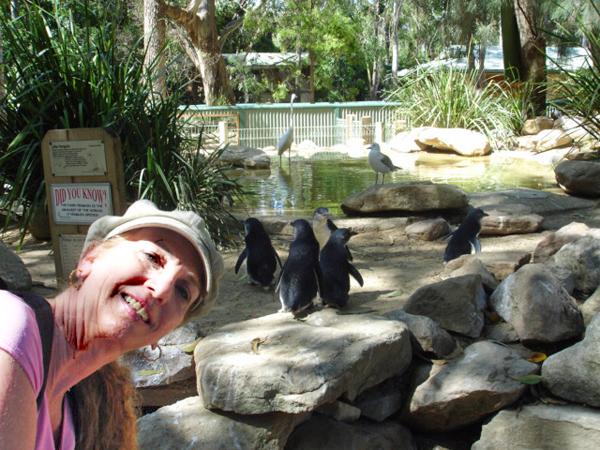
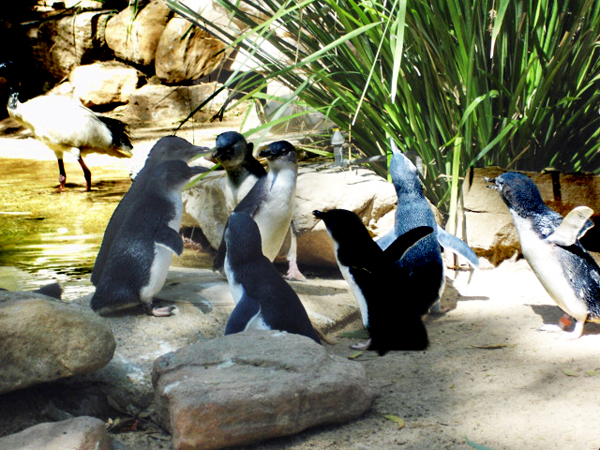
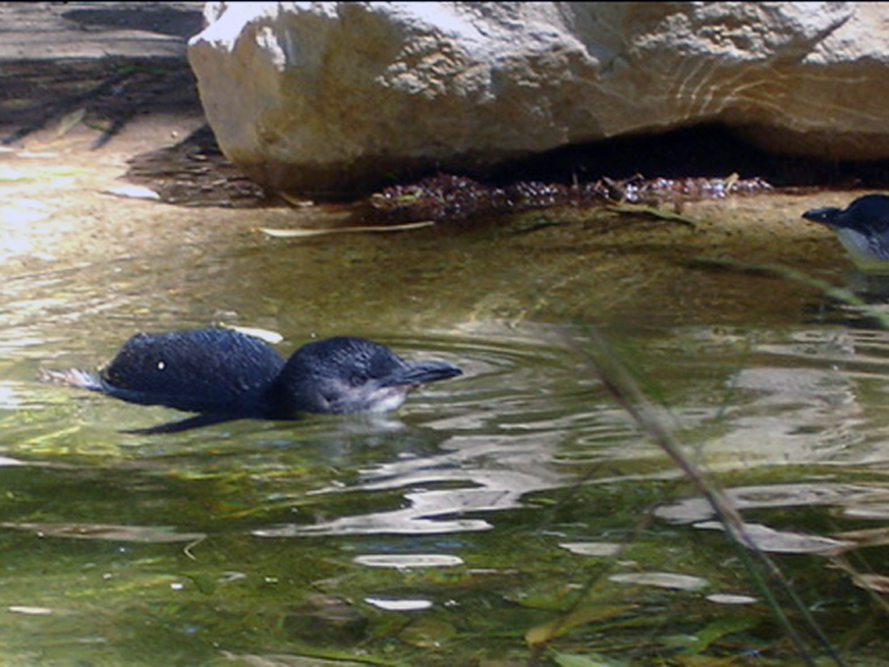
BELOW: FAIRY PENQUINS
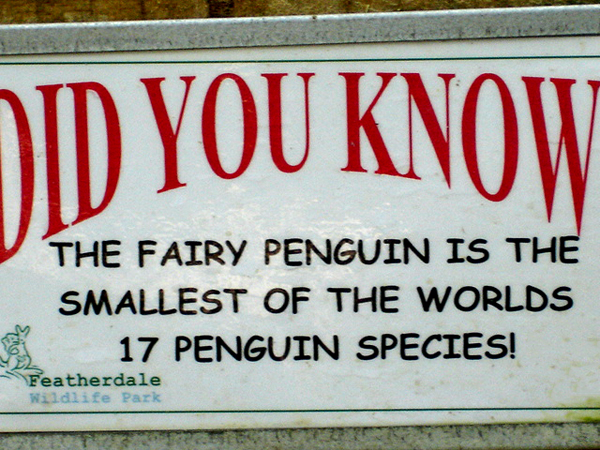
The little penguin is the smallest species of penguin in the world, and originates from New Zealand and Australia. It is commonly known as the fairy penguin, little blue penguin, or blue penguin, owing to its slate-blue plumage and is also known by its Maori name korora. It is a marine neritic species that dives for food throughout the day and returns to burrows on the shore at dusk. Eudyptula minor feathers are dense in melanosomes, which increase water resistance and give them their unique blue color. Like all penguins, this species developed into flippers for swimming.
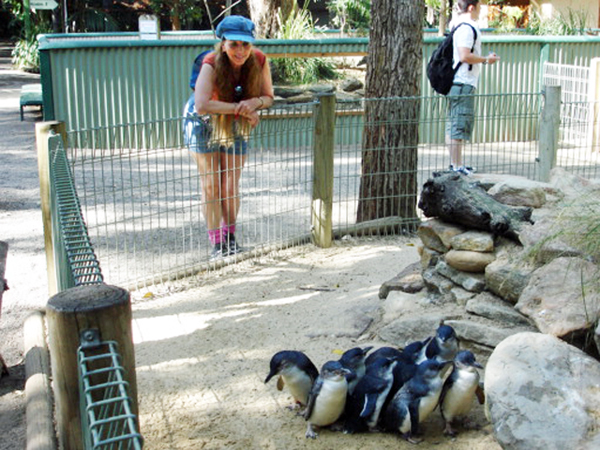
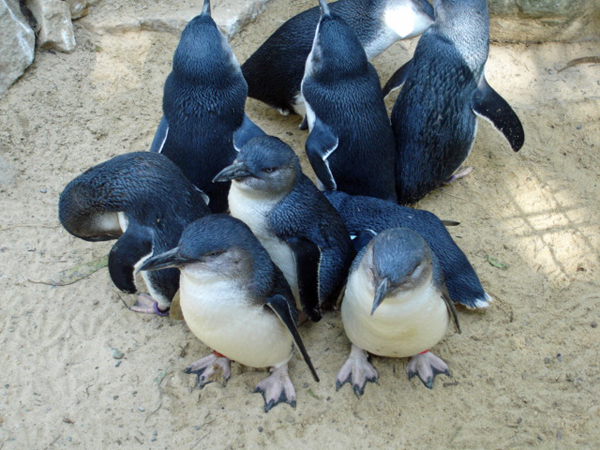
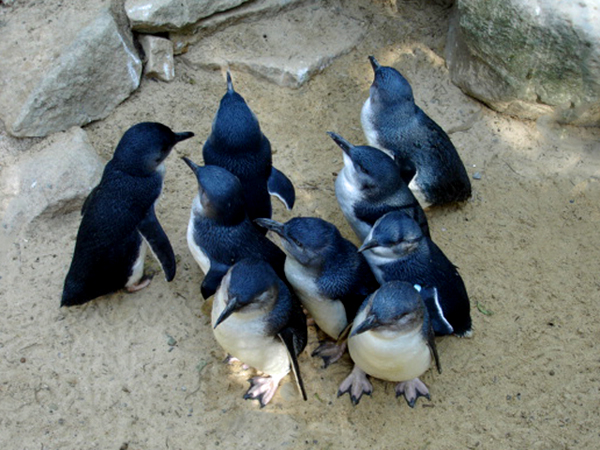
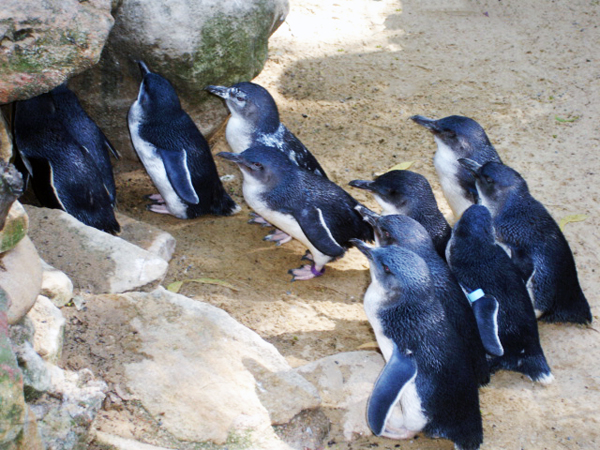
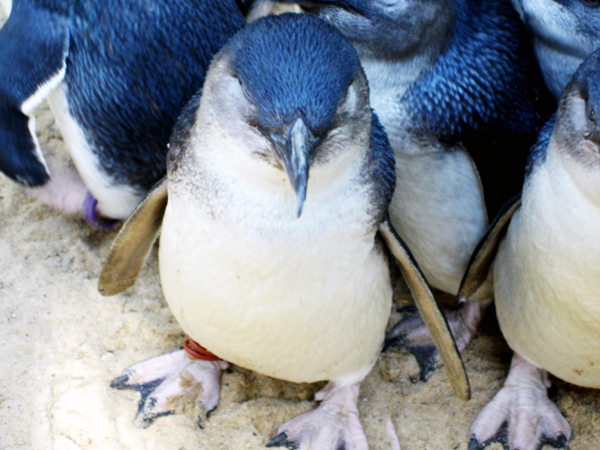
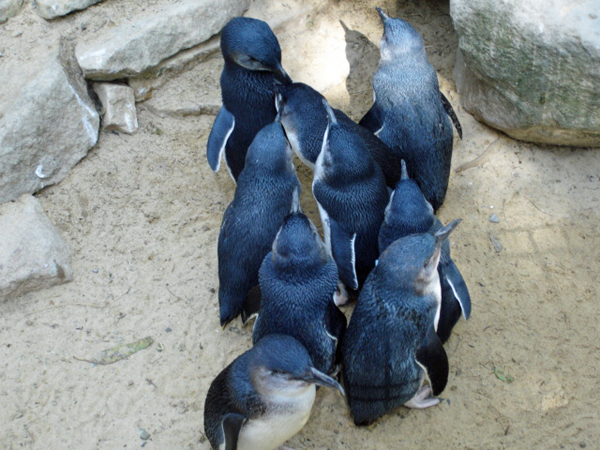
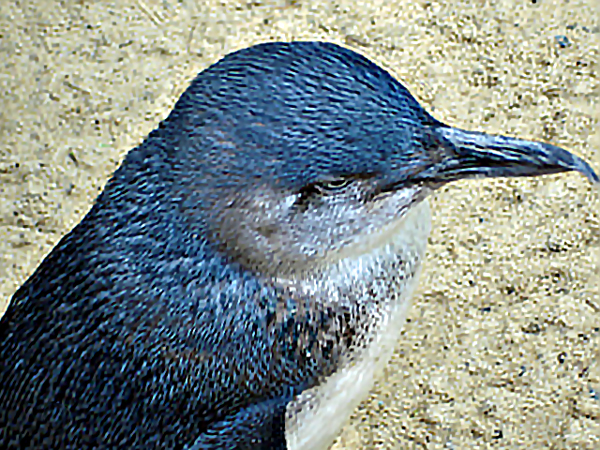
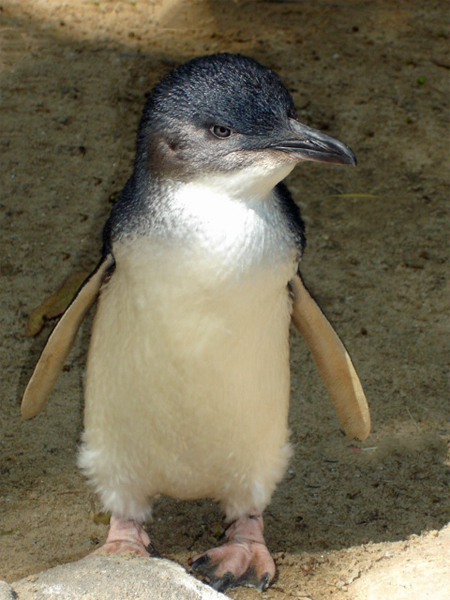

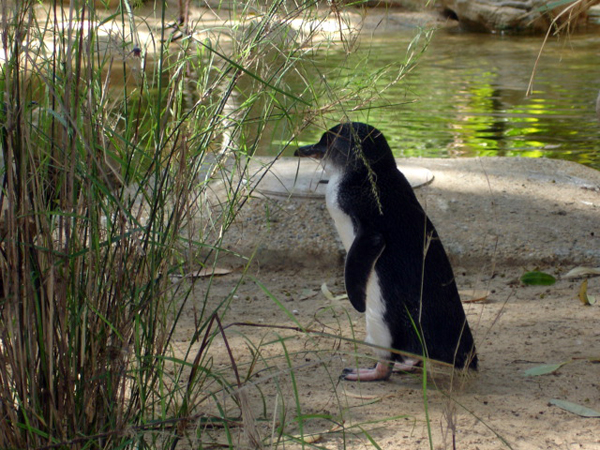
Below: Karen Duquette and the Fairy Penguins

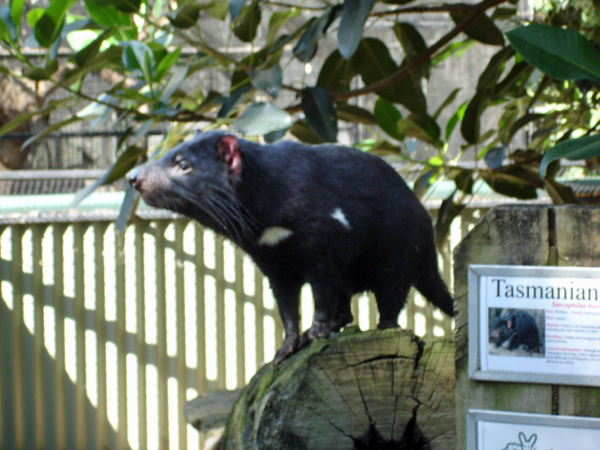
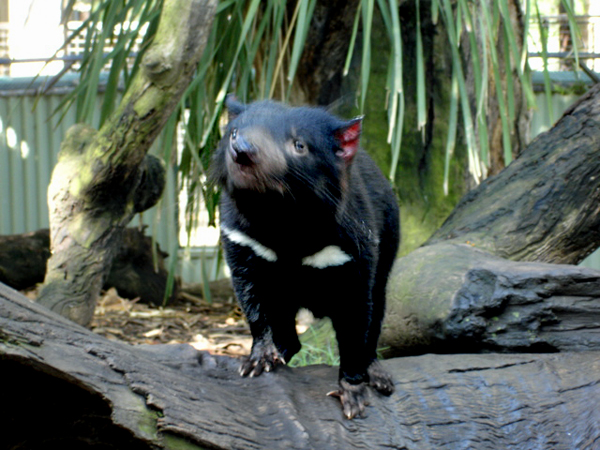
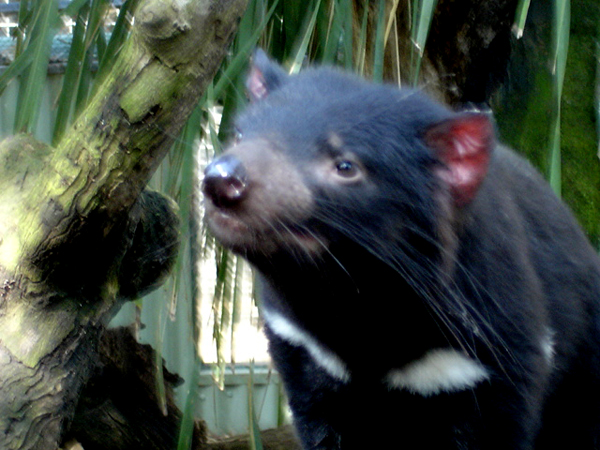
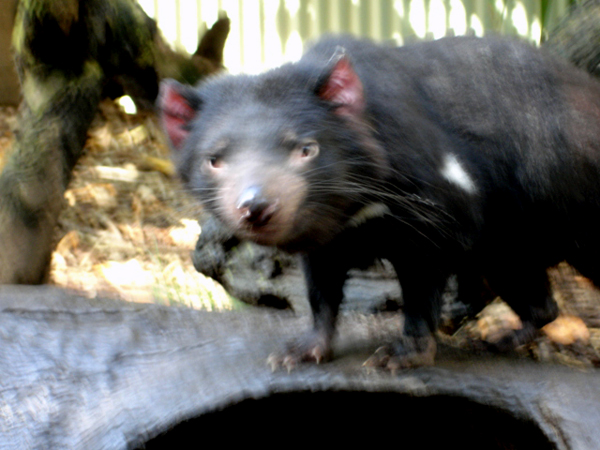
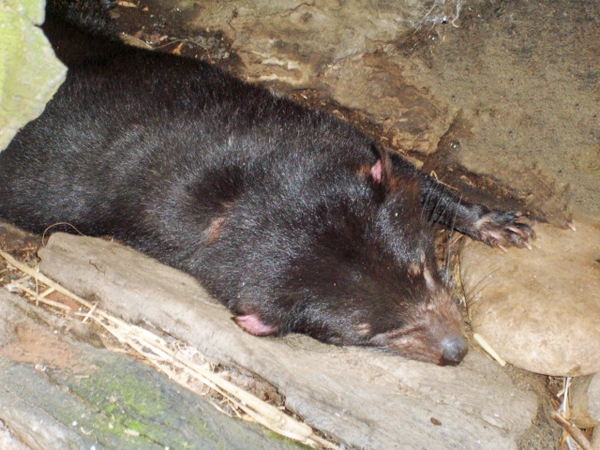
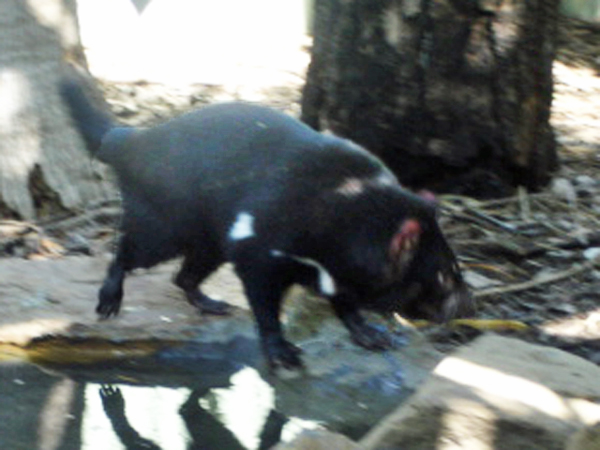
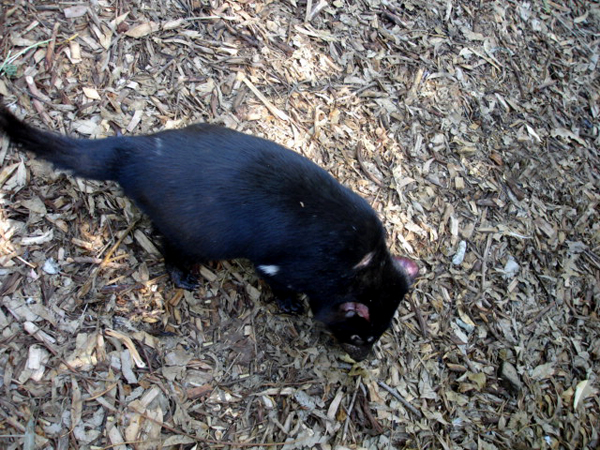
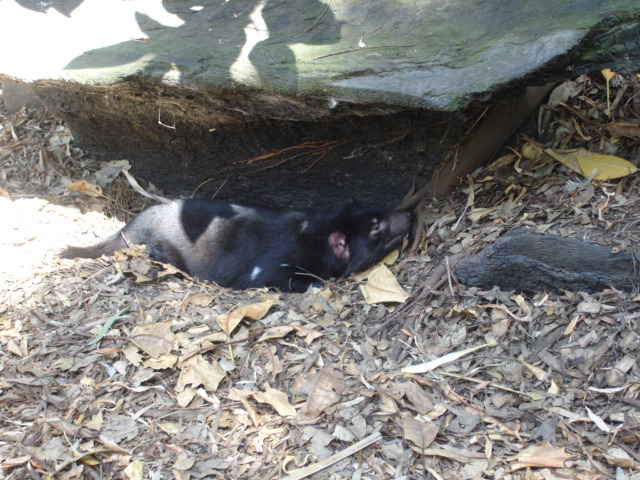
Below: Tasmanian Devils
The Tasmanian devil is a carnivorous marsupial. It was formerly present across mainland Australia, but became extinct there around 3,500 years ago; it is now confined to the island of Tasmania. The size of a small dog, the Tasmanian devil became the largest carnivorous marsupial in the world following the extinction of the thylacine in 1936. It is related to quolls, and distantly related to the thylacine. It is characterized by its stocky and muscular build, black fur, pungent odor, extremely loud and disturbing screech, keen sense of smell, and ferocity when feeding. The Tasmanian devil's large head and neck allow it to generate among the strongest bites per unit body mass of any extant predatory land mammal. It hunts prey and scavenges on carrion.
Although Tasmanian devils are usually solitary, they sometimes eat and defecate together in a communal location. They are active during the middle of the day without overheating. Despite its rotund appearance, it is capable of surprising speed and endurance, and can climb trees and swim across rivers. Devils are not monogamous. Males fight one another for females, and guard their partners to prevent female infidelity. Females can ovulate three times in as many weeks during the mating season, and 80% of two-year-old females are seen to be pregnant during the annual mating season.
In 1941, devils became officially protected.


 Continue on in alphabetical order to